

Research
Our laboratory concentrates its research initiatives on the interconnected relationship between sustainable materials science, innovative construction technologies, and environmental engineering to develop eco-friendly building materials and green construction methodologies.
A Froude-Based Scaled Concrete Material for Accurate Structural Simulation
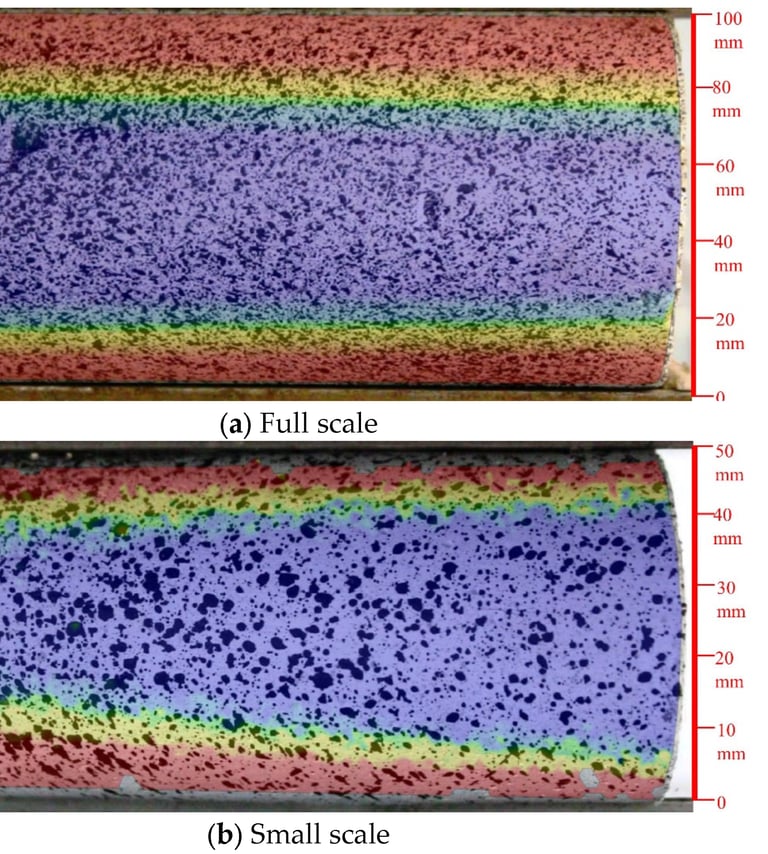
A novel research about scaled-down concrete material that authentically replicates full-scale reinforced concrete behavior while drastically reducing cost, time, and spatial demands. Developed using strict Froude similitude, the material accurately captures gravitational and nonlinear mechanical responses without centrifuge testing. Experimental results show less than 2% deviation in key properties, and scaled RC beam tests confirm the model’s structural fidelity. The proposed approach provides a reliable and economical alternative to full-scale experiments, enabling more efficient evaluation of structural performance. Learn more
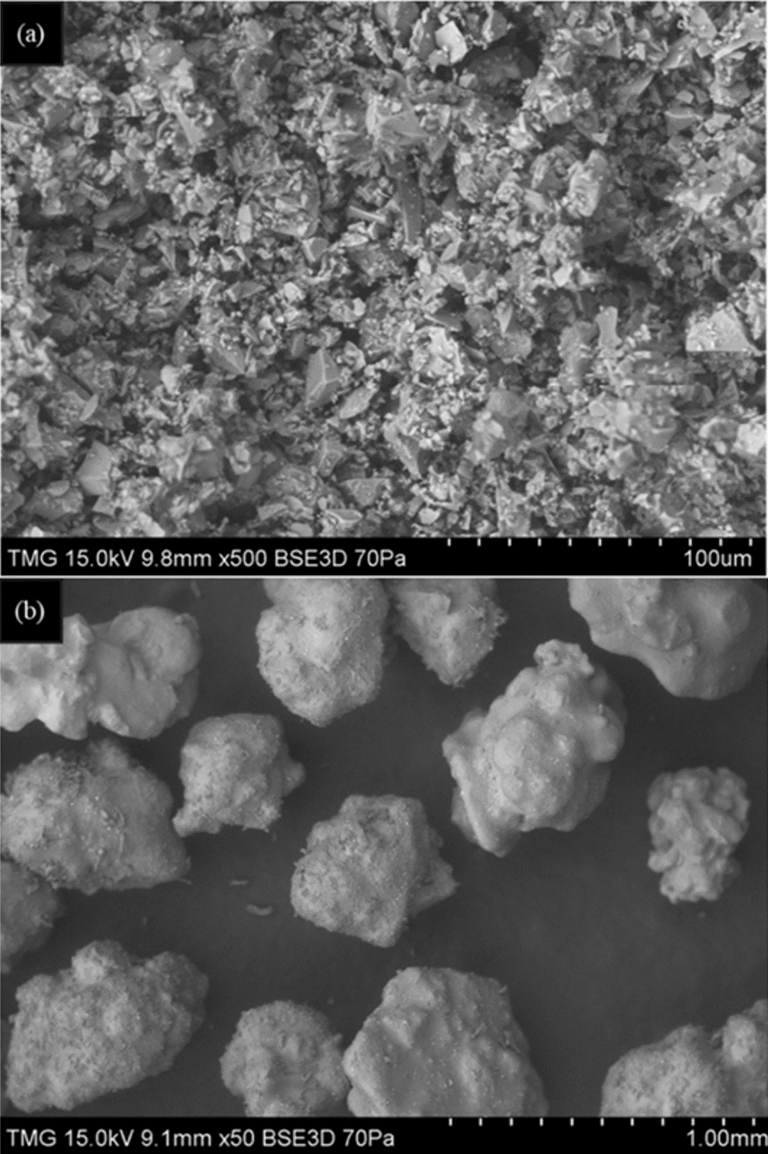
New Insights Reveal How VMAs Control Rheology in One-Part AAS Binders
Viscosity-modifying admixtures (VMAs) play a critical role in the behavior of one-part alkali-activated slag (AAS) systems, yet their effects remain largely underexplored. New findings show that the method and timing of VMA incorporation substantially influence fresh and hardened properties of AAS paste. When VMAs are added separately and at a delayed stage (approximately 25 minutes after mixing) setting times increase markedly due to slower dispersion throughout the matrix. Early addition, whether dissolved or undissolved in water, results in quicker integration and shorter setting periods. Changes in rheology are also pronounced, affecting yield stress, plastic viscosity, and flow retention. However, increasing the water-to-binder ratio mitigates these differences by diluting the system and reducing the sensitivity to how and when VMAs are introduced. The results highlight the decisive role of VMAs in shaping workability, hydration behavior, mechanical performance, and shrinkage characteristics in emerging sustainable binder technologies. Learn more
Eco-friendly Material Curing and Strengthening
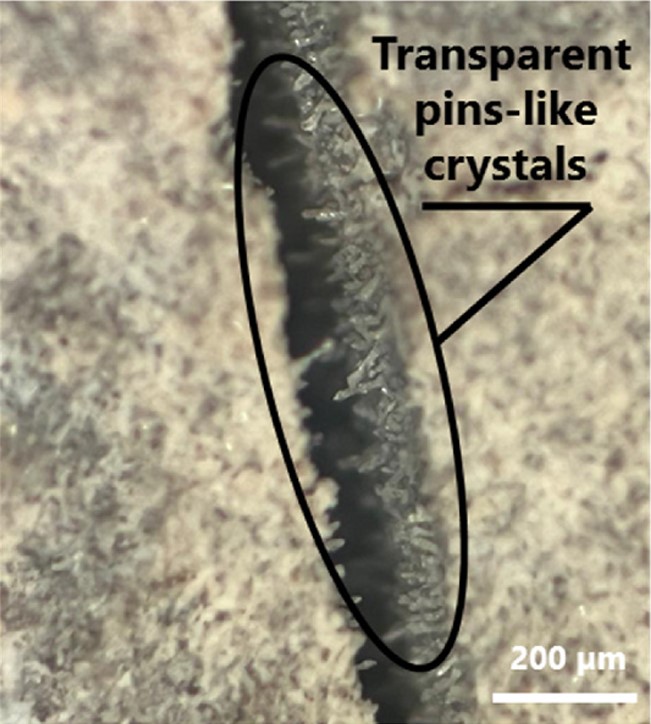
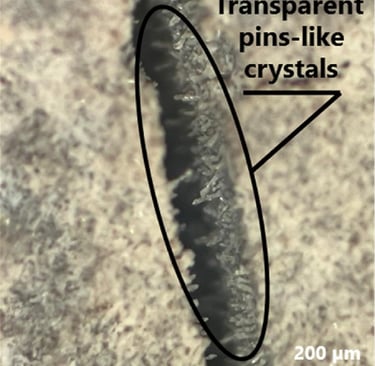
Rising interest in alkali-activated slag (AAS) binders has intensified the need to understand their behavior under extreme conditions, especially fire exposure. New findings reveal that introducing a crystalline admixture (CA) dramatically boosts the autogenous self-healing capacity of AAS after thermal damage. Specimens exposed to temperatures ranging from 200 °C to 800 °C showed that mixes containing CA developed more robust secondary hydration products and crystalline formations within cracks, particularly beyond 600 °C. These formations reduced permeability, improved moisture resistance, and supported notable recovery in both compressive and tensile strength. Microscopic analysis confirmed dense, well-distributed healing products in CA-modified samples, indicating enhanced crack filling and structural stabilization. The results point to CA as a powerful additive capable of restoring integrity in fire-damaged AAS, strengthening its position as a resilient and sustainable binder for modern construction. Learn more